Fully biodegradable bamboo-fiber film materials for agriculture, retail, logistics and waste collection.
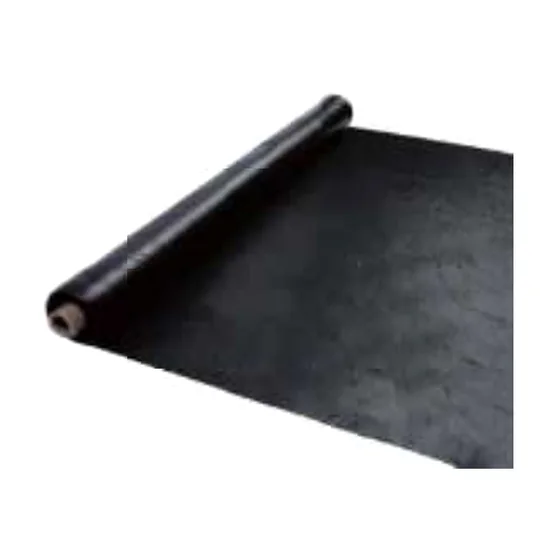 Mulch film
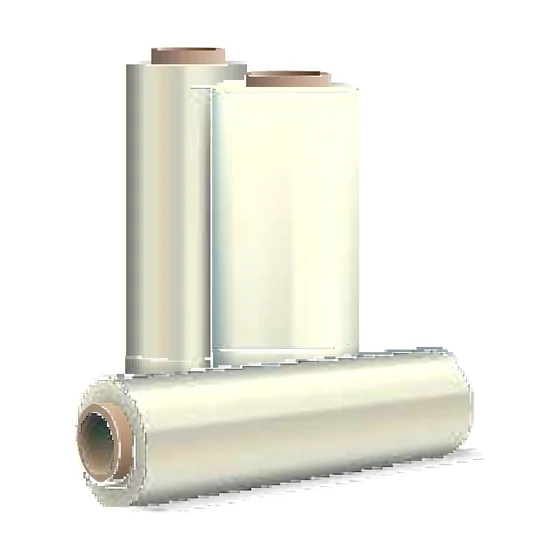 Heat shrink film
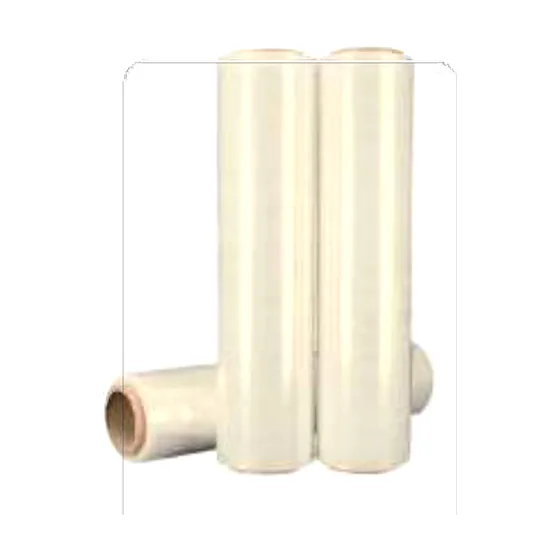 Stretch film
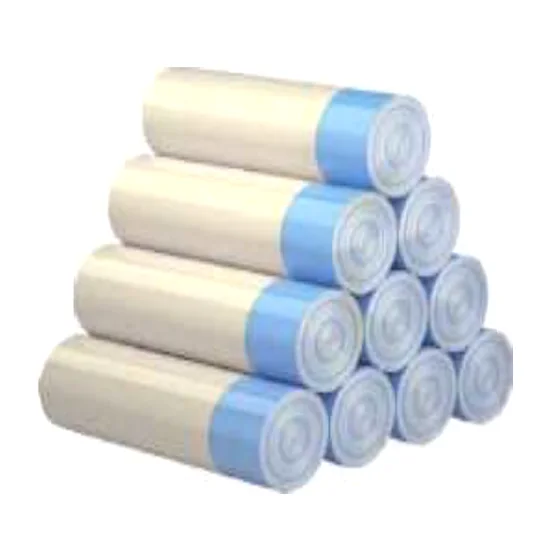 Garbage bags
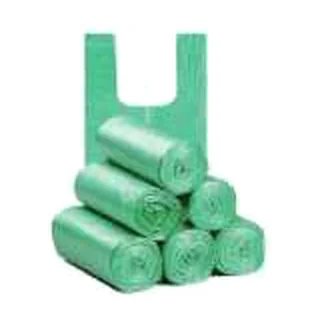 Vest & shopping bags
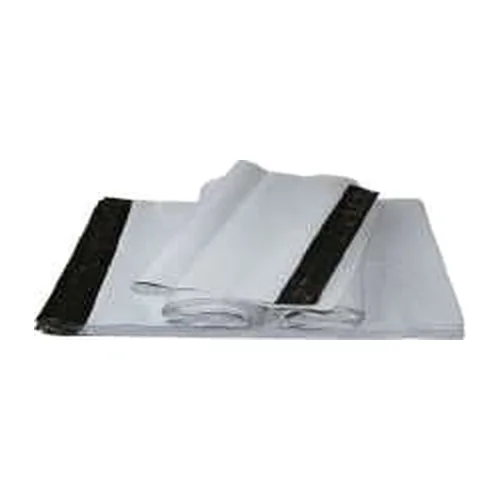 Courier bags
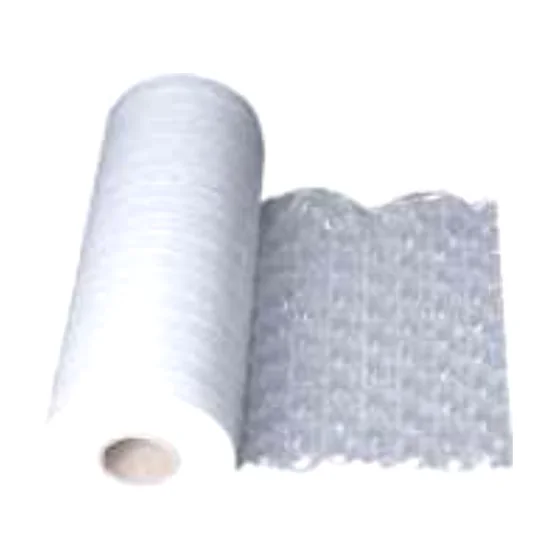 Bubble film & bags
- Self-sealing bags
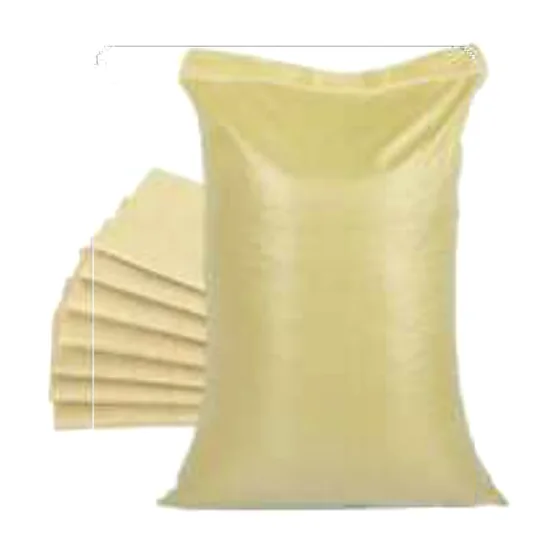 Woven bags
Bamboo-fiber fully biodegradable materials
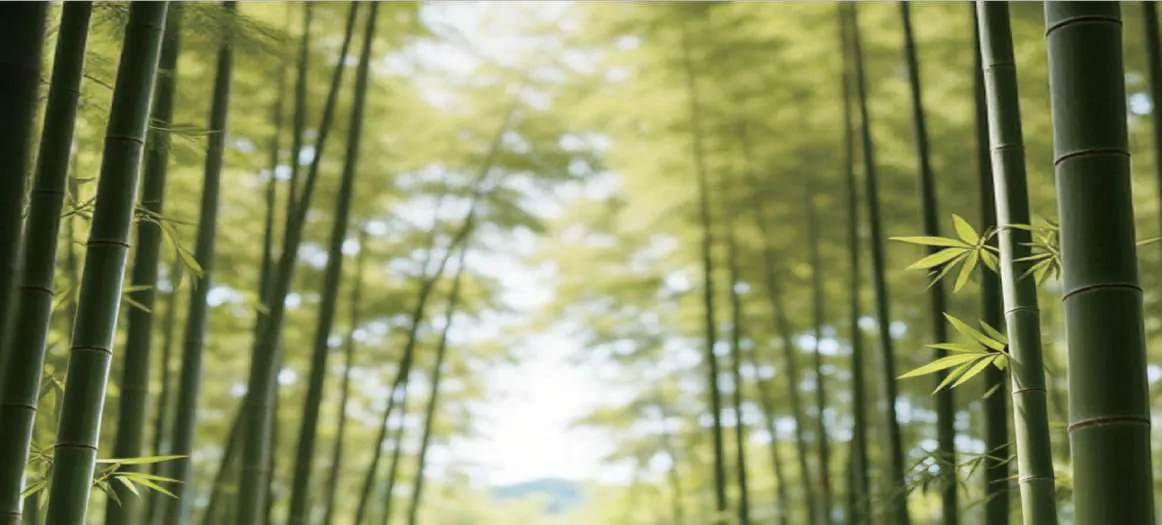
From bamboo fiber to fully biodegradable products — building practical alternatives to conventional plastics.


以竹代塑Bamboo replace plastic
Scroll to follow the material
01 — The idea
ReBamboo Sdn. Bhd. is a bamboo-fiber, fully biodegradable materials company. We work with bamboo — a rapidly renewable biomass resource — to offer practical alternatives to conventional plastics across films, bags, tableware, packaging and engineering materials.
Nature provides the resource. Technology transforms it into material. Design turns that material into products people can use.
The material journey
A rapidly renewable biomass resource. Bamboo generally matures in two to three years and regenerates without replanting forests.
Culms are processed into ultra-fine bamboo fiber powder using micron-level preparation technology.
Fiber is compounded into bio-based composite pellets — a masterbatch that runs on general-purpose film-blowing and injection-moulding equipment.
Pellets become films, bags, food containers, tableware, packaging and engineering parts — made for use, then designed to return to nature.
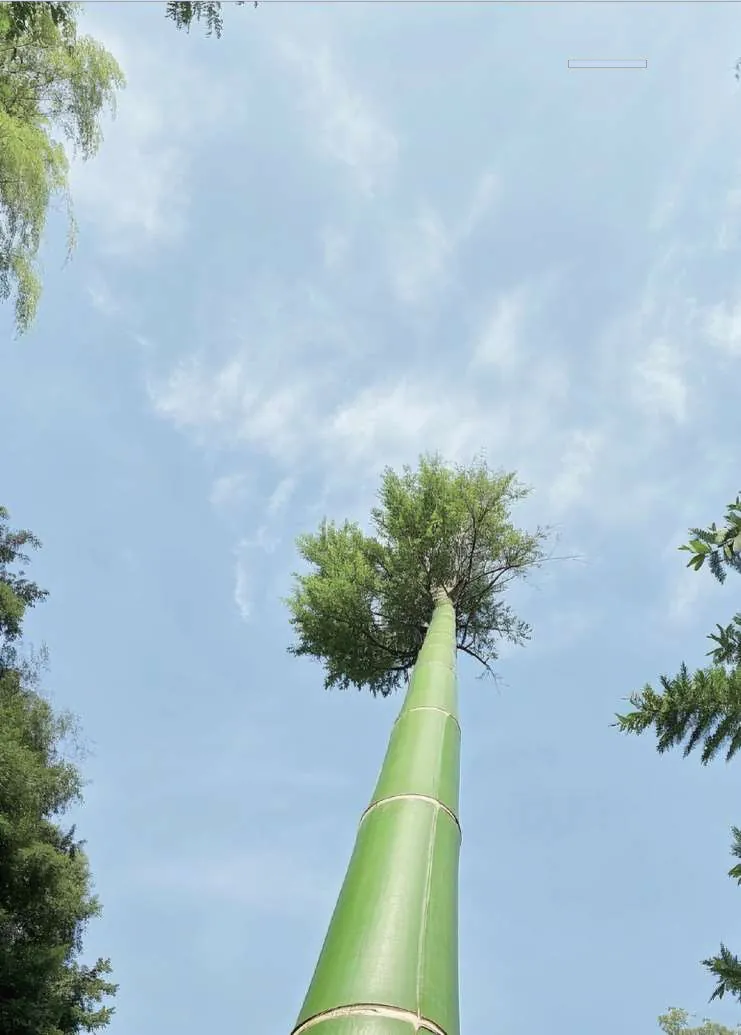
Fig. 01 — Bamboo culmRenewable biomass
02 — Why bamboo
Bamboo fiber is a renewable biomass resource. Compared with other fully degradable resin composites such as PBAT and PLA, the brochure positions bamboo-fiber materials around three advantages: renewable, low cost and high performance.
2–3years
Typical time for bamboo to mature — a short growth cycle with strong regenerative ability.
3–6months
Example soil-degradation window the brochure gives for a tuned formulation; faster under composting conditions.
24months
Stated shelf life for bamboo-based films and bags, noted as suitable for export use.
In natural environments such as soil, seawater and compost, the material is described as being decomposed by microorganisms into carbon dioxide, water and biomass — without manual recycling or treatment.
Bamboo is a fast-growing plant with a short growth cycle and strong regenerative ability. The company states that production emits less carbon than petroleum-based plastics.
After special processing, bamboo-fiber material offers the tensile strength and tear resistance needed for everyday shopping and packaging use.
Bamboo contains natural “bamboo-quinone” components, which the brochure describes as inhibiting bacteria such as E. coli and Staphylococcus aureus.
The degradation rate can be adjusted through the production process to suit each application, balancing service life with environmental goals.
According to the brochure, production does not add substances commonly found in traditional plastics, such as phthalate plasticisers and heavy metals.
03 — Material science
An R&D team led by a chief expert has achieved four technology breakthroughs in bamboo-fiber materials — each described by the company as a world first — covering the full chain from initial bamboo processing to final products.

Preparation technology for ultra-fine bamboo fiber micropowder — the starting point of every material in the range.
A dynamic melting and forming process developed specifically for bamboo fiber.
An intelligent grading system for bamboo fiber, built on dynamic laser grading.
A fully biological modification technology for bamboo fiber, used to develop specialised bio-based composite particles.
The brochure describes industry–academia–research integration projects with institutions such as:
04 — Manufacturing
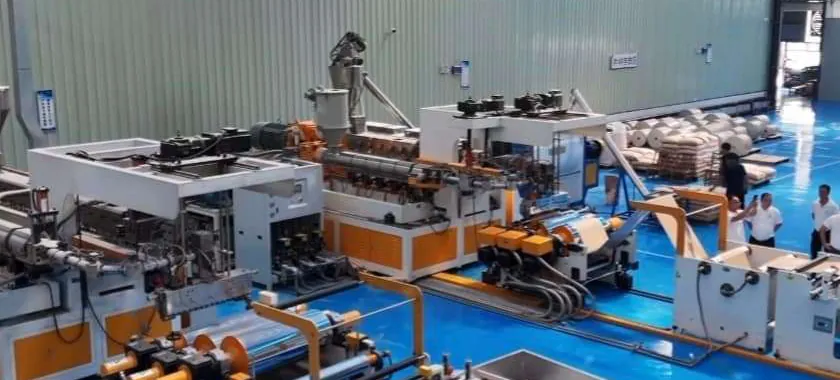
The production system integrates materials, nanopowders, modified particles and end products into one connected line.

Renewable bamboo is the raw input.
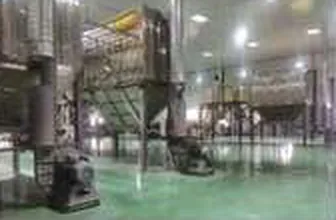
Micron-level ultrafine powder preparation.
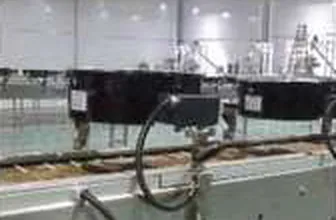
Bio-based composite pellets, ready to process.
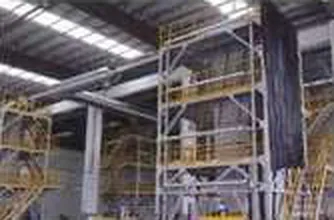
Films, bags, tableware and packaging.
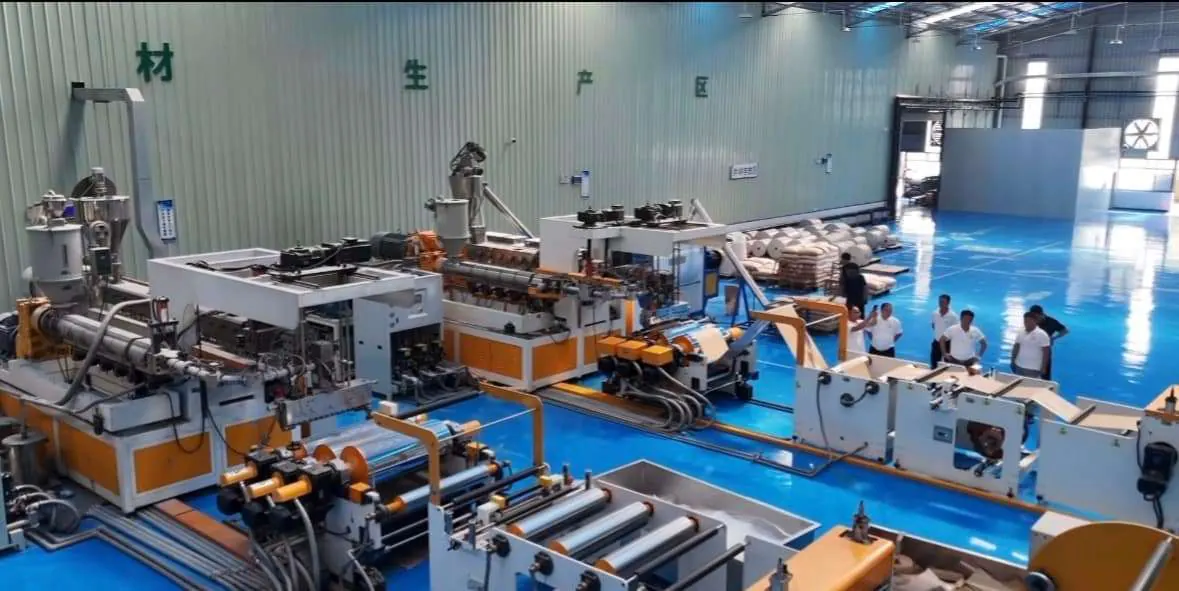
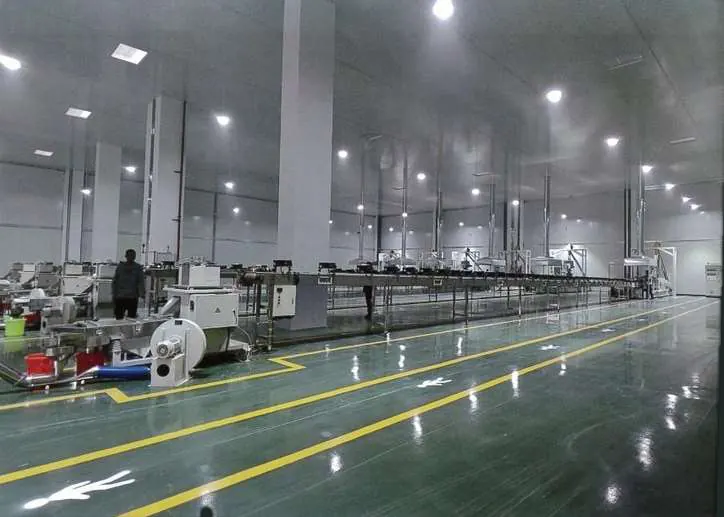
Micron-level ultrafine powder preparation technology.
Specialised bio-based composite modified particles.
Fully automatic laser grading and dynamic melting system.
A digital quality traceability system for all processes.
05 — Product ecosystem
Every product starts as the same bamboo-fiber pellet, then takes the form its application needs.
Fully biodegradable bamboo-fiber film materials for agriculture, retail, logistics and waste collection.
Mulch filmHeat shrink filmStretch filmGarbage bagsVest & shopping bagsCourier bagsBubble film & bagsWoven bagsDisposable tableware for delivery, canteens and events — lunch boxes, plates, cups, bowls and cutlery.
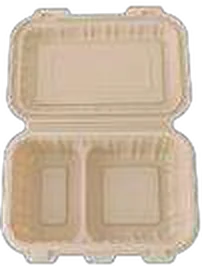 Lunch boxes
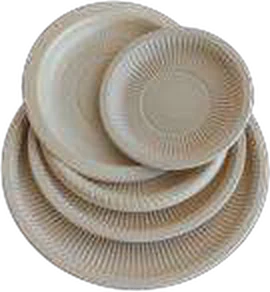 Plates
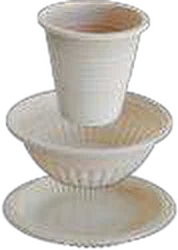 Cups & bowls
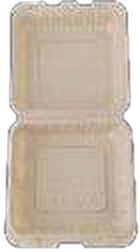 Hamburger boxes
 Knives, forks, spoons
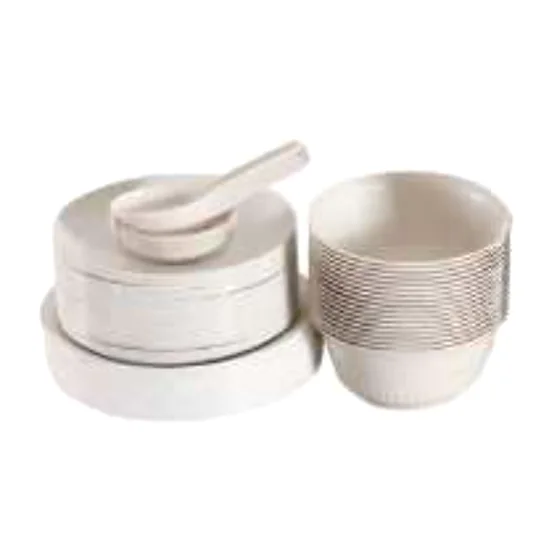 Tableware sets
Disposable hotel supplies that replace traditional plastic handles and guest-room items.
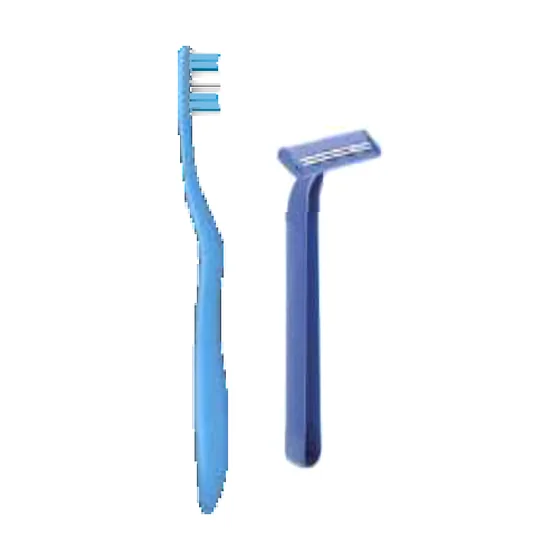 Toothbrush & razor handlesBanquet & buffet cutleryGuest-room disposables
Boxes and protective packaging for e-commerce, fresh food delivery and logistics.
 Bubble mailersE-commerce packaging
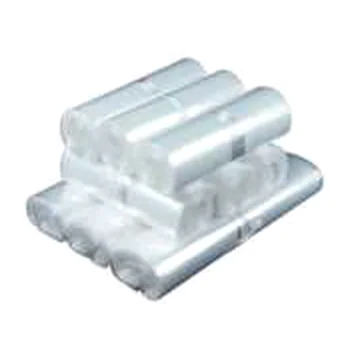 Roll bags
Engineering materials for lightweight parts, and dust-control nets for mining, road and construction sites.
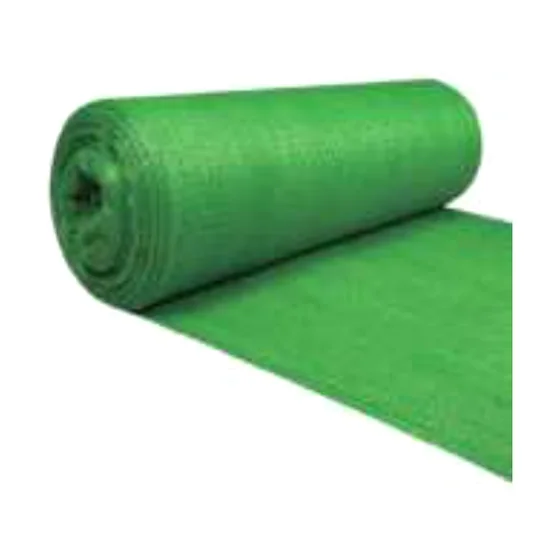 Dust net
Bamboo fiber compounded with PBAT and PLA (BF + PBAT + PLA). The brochure describes these grades as processable on general-purpose pelletizers, film-blowing, bag-making, casting and injection-moulding machines.
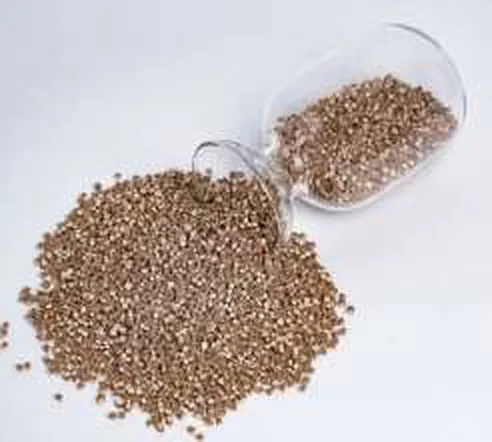
Blown film, blow moulding, injection and extrusion.
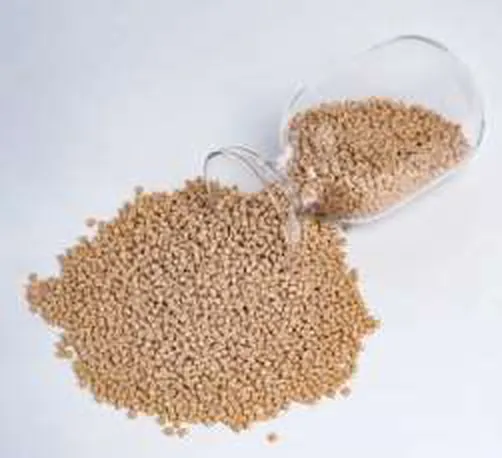
Garbage, vest, shopping and express bags.
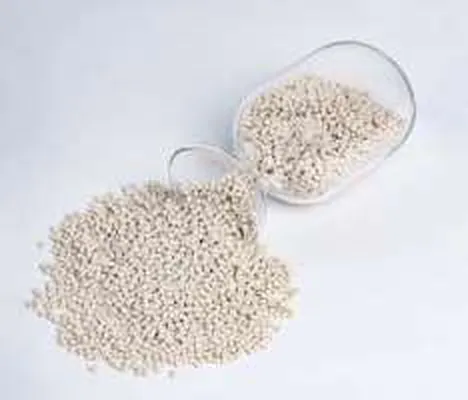
Mulch, stretch and heat shrink film.
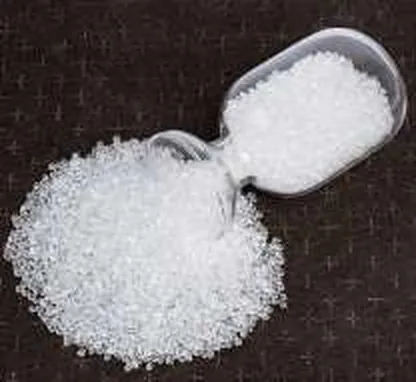
Cling film, cling bags, disposable gloves.
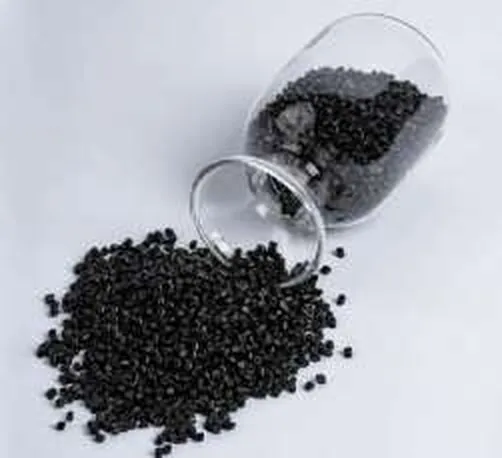
Tableware, toothbrushes, knives, forks, spoons.
Featured — food containers
Same shape, same job — a different material. Drag to compare a conventional PE food container with ReBamboo’s biodegradable bamboo-fiber container.
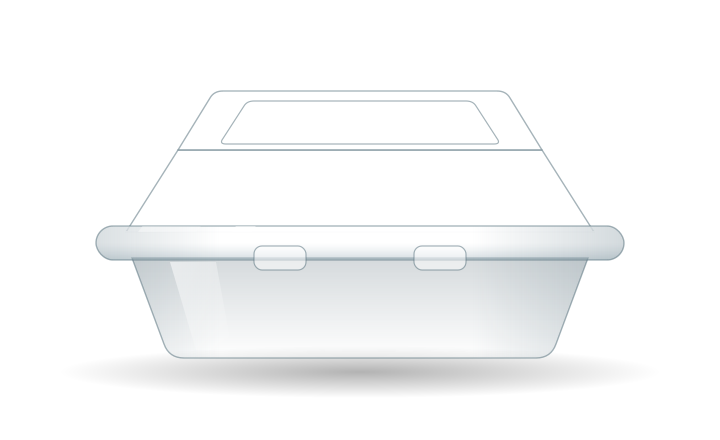
ConventionalPE food container
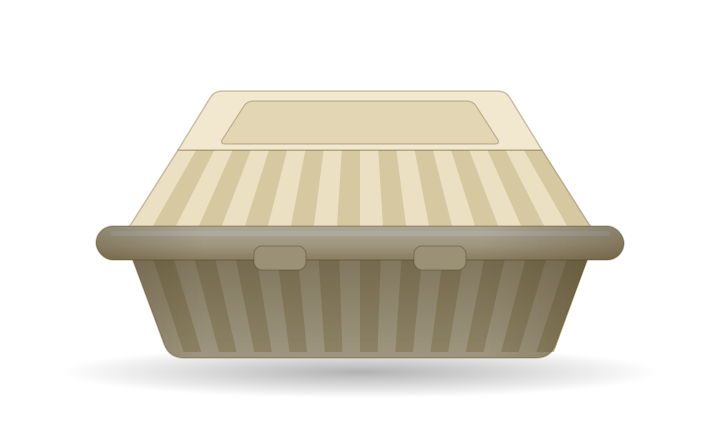
ReBambooBamboo-fiber container
Drag · or use ← → keys
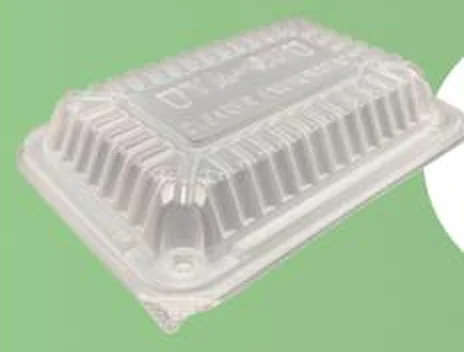
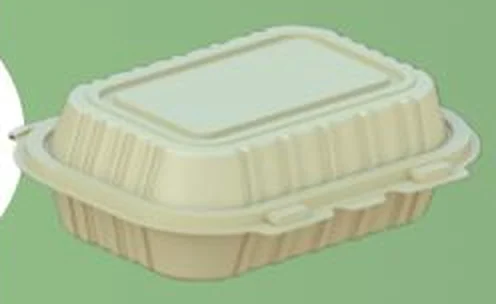
Comparison points summarise ReBamboo’s own product information. They are material characteristics stated by the company, not third-party certifications. Degradation time depends on formulation and environmental conditions.
See lunch box sizes06 — Applications
From a lunch box on a delivery route to mulch film on a field — the same material platform, applied across industries.
Lunch boxes, bowls, plates and cups for takeaway, fast-food chains and catering.
Guest-room disposables, buffet and banquet tableware for hotels, homestays and resorts.
Cafeteria tableware and waste bags for institutions with high environmental standards.
Shopping and vest bags, roll bags and self-sealing bags for stores and markets.
Packaging for fresh produce, organic food and cold-chain distribution.
Express parcels, protective wrapping and warehouse turnover packaging.
Mulch film for field, cash and greenhouse crops; woven bags for fertiliser and seed.
Waste sorting and sanitation for homes, offices, parks and public spaces.
Single-use tableware for conferences, exhibitions and gatherings.
In-flight and on-board catering and travel packs.
Dust-control nets for mining operations, road building and construction projects.
Structural parts, panels and housings for drones, service robots and new-energy vehicles.
07 — Degradation process
Surface holes begin to form — from the nanometre scale up to 20 mm — while thickness falls by less than 5%, with no change visible to the naked eye. UV in sunlight starts to break the fiber’s molecular chains.
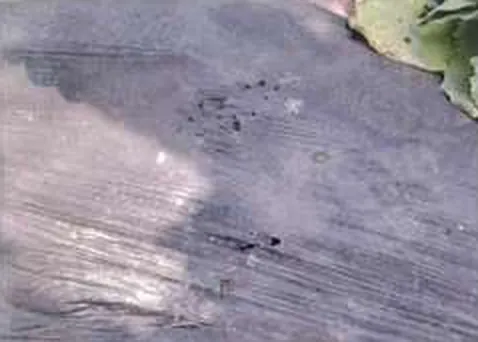
More than 20 holes or cracks of 20–200 mm appear per linear metre of mulch film. UV light and microorganisms work together to form network cracks, and the film becomes permeable to water and air.
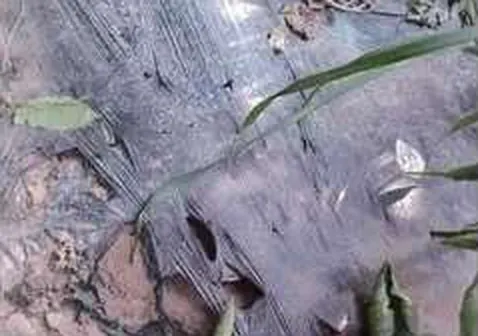
Cracks extend beyond 200 mm and about 80% of mechanical properties are lost. Cellulose-decomposing microorganisms multiply and secrete enzymes that break down the bamboo fiber.
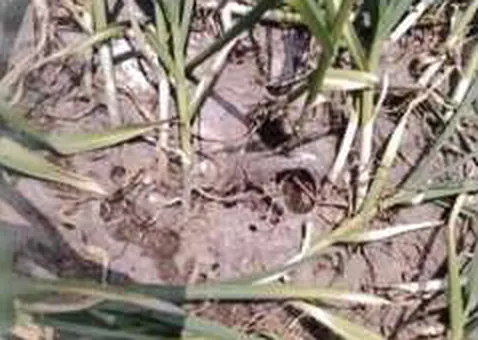
Remaining fragments are no larger than 10 × 10 cm. Soil moisture seeps into the fiber network and soil-animal activity accelerates physical breakdown.
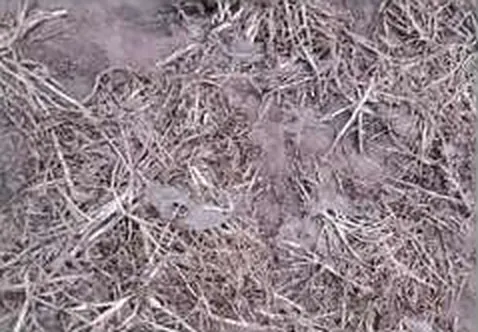
Minimal visible residual film remains — detected at under 5 g/m². Fiber fragments are ultimately broken down into water, carbon dioxide and humus.
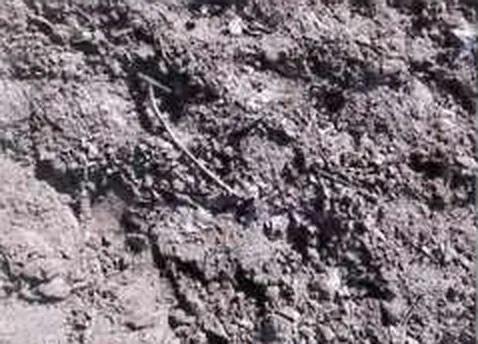
Stages and figures are those described in the ReBamboo brochure for bamboo-fiber mulch film. Actual rates depend on formulation and environmental conditions.
08 — Sustainability
Traditional plastics are difficult to degrade and persist in soil, water and ecosystems. ReBamboo’s materials follow a different lifecycle — one that begins with a renewable plant and is designed to return to nature.
Renewable bamboo biomassA fast-growing resource with strong regenerative ability, used without destroying forest resources.
Replacing conventional plasticsFilm, bag, tableware and packaging formats that stand in for PE and other petroleum-based plastics.
Less long-term persistenceDescribed as decomposing into CO₂, water and biomass in natural environments, reducing the long-term burden of “white pollution”.
Green, low-carbon scenariosSuited to plastic-reduction policies, green packaging and low-carbon consumption programmes.
Bamboo regenerates quickly — generally mature in 2–3 years.
09 — Contact
Animations are reduced to match your device setting.